
Symptom
Inconsistent Sizing Info
Returns spike on certain SKUs. Customers complain sizes run small or large. Negative reviews mention fit issues repeatedly.
Chat-based AI agent that writes, designs, and publishes your listing content—titles, bullets, images, A+ pages—across Amazon, Walmart, Shopify, and more. Not a generator. A teammate.
Scale catalog content without scaling headcount. Keep every listing on-brand, compliant, and conversion-ready.
"Rewrite 400 summer SKUs for Walmart Item Spec 5.0 by Friday."
Turn supplier data into polished, keyword-rich listings faster than any VA. Multiply SKUs, not hours.
"Generate titles and bullets for 120 new dresses from this CSV."
Deliver client work at margin-friendly speed. One agent handles research, content, images, and sync.
"Audit this client's Amazon account and flag the 50 weakest listings."
💬 Assign tasks in chat. Review drafts or enable autopilot.
✓ Connects via official marketplace APIs. No passwords stored.


24.online is an AI listing optimization platform built for apparel sellers. Automate product descriptions, lifestyle images, and attribute mapping for Amazon fashion listings, Walmart clothing catalogs, and DTC storefronts—without manual copy-paste or contractor delays.
Run a free listing audit on any fashion or apparel SKU. See exactly where your content, visuals, and attributes fall short—and get a ready-to-use optimization plan in seconds.
Your credentials stay yours. No login or password required—connect via secure tokens only. Changes are never applied without your explicit approval.
Your audit returns a Listing Quality Score broken down by content, visuals, and attributes. You'll also get a prioritized task list, AI-generated draft copy for titles and bullets, and specific recommendations for images—including lifestyle, scale, and infographic gaps. Every suggestion links to a one-click action or editable draft.
Missing size chart reference and fit type (slim, relaxed, oversized). Shoppers can't confirm fit before purchase, increasing return risk.
Backend color attribute says "Navy" but title reads "Dark Blue." Fabric composition missing from bullets. This inconsistency hurts search visibility and buyer confidence.
All images show the garment on a plain background. Adding on-model lifestyle shots and scale references improves conversion by helping shoppers visualize the product in context.
High-intent terms like "breathable summer dress" and "wrinkle-free travel pants" are absent from title and bullets. Competitors rank for these queries; you don't.
Parent-child relationships lack complete color and size mapping. On Walmart, this fails Item Spec 5.0 validation. On Amazon, it fragments reviews across duplicate listings.

This fashion listing optimization audit evaluates 50+ signals across three categories. Content analysis covers keyword density, title structure, bullet clarity, and search term relevance. Visual analysis checks image count, background compliance, lifestyle presence, infographic usage, and scale context. Attribute analysis reviews size, color, material, fit, care instructions, and variant mapping against each marketplace's requirements—including Walmart Item Spec 5.0 and Amazon Style guidelines.
We finally standardized variant content across five marketplaces. Same fit language, same size chart references, same fabric descriptions—without a single spreadsheet.
Our returns dropped after we fixed fit messaging based on review insights. The AI flagged the exact phrases customers were complaining about.
We shipped 200 listing updates in a week. Every change logged, every edit approved before it went live. No surprises.
Direct integrations with Amazon, Walmart, Shopify, Etsy, and eBay. No scrapers. No workarounds.
Every edit, every update, every sync—timestamped and traceable.
You decide what runs automatically and what needs your sign-off. Boundaries you set, limits the system respects.
24.online connects to your seller accounts through secure OAuth authorization—the same method used by major platforms and enterprise tools. We never store your marketplace passwords. Your account issues a scoped access token, and that token is what powers every read and write operation. You can revoke access at any time from your marketplace settings. For fashion brands, apparel sellers, and ecommerce agencies managing sensitive catalogs, this isn't optional—it's the baseline.
Every fashion catalog hides the same structural fractures. The only question is whether you find them before your customers do.
Returns spike on certain SKUs. Customers complain sizes run small or large. Negative reviews mention fit issues repeatedly.
Low click-through rates from search results. High impressions but poor conversion. Listings blend into competitors.
Products appear in wrong search results. Customers can't find items through browse navigation. Low organic visibility.
Search engines penalize listings. Multiple products compete against each other. Cannibalized organic traffic.
Sales drop during trend transitions. Listings feel outdated mid-season. Competitors capture seasonal demand first.
Different product info across marketplaces. Inventory sync issues. Brand inconsistency damages trust.
Size charts copied from manufacturer specs without localization. No standardized measuring methodology across product lines.
Generic descriptions written in bulk. No keyword research per SKU. Missing emotional triggers and lifestyle context.
Incorrect category mapping. Missing or wrong attributes. Bulk upload tools auto-assign categories inaccurately.
Copy-paste workflows for similar products. No variation strategy for color/size variants. Template-based descriptions.
No systematic content refresh cycle. Manual updates can't keep pace with fashion cycles. Trend data isn't integrated.
Manual management per platform. No centralized content source. Each marketplace has unique formatting requirements.
24.online normalizes sizing data across your catalog, flags inconsistencies, and generates localized size guides automatically.
AI Seller crafts unique, SEO-optimized descriptions for each product with lifestyle hooks and trend-relevant keywords.
24.online analyzes marketplace taxonomy and auto-assigns optimal categories with complete attribute coverage.
AI Seller generates unique content per SKU while maintaining brand voice consistency across your entire catalog.
24.online monitors trends and auto-updates listings with seasonal keywords, descriptions, and relevant attributes.
AI Seller maintains a single source of truth and adapts content to each marketplace's specific format and requirements.
This is exactly why you need an AI Seller, not another copy tool.
Meet Your AI SellerEvery listing optimization maps to a measurable outcome. Choose your priority; see the levers you'll pull and the outputs you'll receive.
What's your primary objective?
Conversion rate optimization for apparel listings starts with understanding why shoppers hesitate. CTR, Add-to-Cart, and purchase rate each respond to different content signals. 24.online identifies which signals are weak and generates the fixes.
Found in Amazon Brand Analytics, Walmart Listing Quality Dashboard, and Shopify product reports.
CTR rises when your main image and title align with what the shopper typed. For fashion, that means showing the exact colorway, fit silhouette, and occasion in the first frame—and echoing those terms in the title. 24.online audits image-to-query match and rewrites titles to close the gap.
Tracked in Amazon Detail Page Sales and Traffic report, Walmart Item Performance, Etsy Stats.
Add-to-Cart grows when fit, fabric, and size guidance are unmistakably clear. Ambiguity drives bounce. 24.online extracts sizing pain points from review insights and injects preemptive answers into bullets and descriptions.
Visible in Seller Central Business Reports, Walmart Seller Center Analytics, Shopify conversion funnels.
CR compounds when every element—images, copy, A+ modules, and reviews—tells a consistent story. Gaps between what the shopper expects and what the listing communicates kill conversions. 24.online scores each content layer, flags inconsistencies, and generates unified drafts.
For a women's linen blazer listing with below-category CTR, 24.online delivered: a Listing Quality Score of 62/100 with three priority gaps identified; a rewritten title emphasizing "relaxed fit" and "breathable linen"; three new bullet drafts clarifying stretch, care instructions, and true-to-size guidance; an AI-generated lifestyle image showing office-to-weekend versatility; and a one-click sync action to push approved changes to Amazon US.
Scaling a fashion catalog across marketplaces without sacrificing listing quality is an operational bottleneck. 24.online automates content generation, attribute mapping, and cross-channel sync so your team launches faster without rework.
Measured internally; benchmark against your current listing creation SLA.
Manual copywriting and image editing throttle launch speed. 24.online generates SEO-optimized titles, bullets, and descriptions in batch, then adapts them per marketplace—Walmart Item Spec 5.0 compliance included—so new SKUs go live in days, not weeks.
24.online's proprietary score; correlates with Amazon Listing Quality Dashboard and Walmart Content Quality metrics.
Incomplete attributes, missing keywords, and low-resolution images suppress visibility. 24.online scans every SKU against platform requirements, assigns a score, and auto-generates a task plan to close gaps before they block indexing.
Track in your PIM or via 24.online's sync dashboard.
Copy-paste syndication creates compliance failures and duplicate content flags. 24.online rewrites and reformats content per channel, manages variant structures, and keeps listings in sync when you update a single source of truth.
For a 200-SKU men's activewear launch, 24.online produced: batch-generated titles, bullets, and descriptions for all SKUs in under 48 hours; attribute mapping to Amazon, Walmart, and Shopify taxonomies; flagged 34 SKUs missing required size-chart images; a task queue with prioritized fixes; and automated sync actions that published approved listings across three channels simultaneously.
Apparel return rates erode margin faster than almost any other category. Most returns trace back to preventable content failures: unclear sizing, misleading color, or fabric surprises. 24.online mines review data and preempts the complaints.
Found in Amazon Voice of the Customer, Walmart Returns Dashboard, Shopify order analytics.
Returns shrink when the listing answers the questions shoppers ask after buying—before they buy. 24.online analyzes your reviews and competitor reviews to surface recurring complaints, then rewrites copy to address fit variance, fabric weight, and color accuracy upfront.
Tracked via review monitoring in Seller Central, third-party tools, or 24.online alerts.
A spike in negative reviews signals a content gap or product issue. 24.online detects sentiment shifts early, classifies complaints by theme (sizing, quality, shipping), and generates content updates or alerts so you act before ratings collapse.
Amazon's VOC dashboard; internal NPS or CSAT if tracked.
VOC improves when product pages set accurate expectations. 24.online extracts the language real buyers use—"runs small," "thinner than expected," "color is darker in person"—and weaves those phrases into bullets, descriptions, and A+ modules as preemptive reassurance.
For a women's denim line with a 22% return rate, 24.online delivered: a review insights report isolating "runs one size small" as the top complaint; rewritten size guidance bullets with explicit waist and inseam measurements; an updated main image showing the jeans on three body types; an A+ comparison chart clarifying stretch level across fits; and an alert rule to notify the team if "sizing" sentiment drops again.
A per-SKU score assessing keyword coverage, attribute completeness, image quality, and content consistency—benchmarked against category leaders.
A ranked list of fixes ordered by estimated impact: which titles to rewrite, which images to replace, which attributes to add first.
Ready-to-review titles, bullets, descriptions, and backend keywords generated to your brand voice and marketplace requirements.
Enhanced product images, infographics with size and fabric callouts, lifestyle photos, and short-form video clips—produced on demand or in batch.
One-click publishing to Amazon, Walmart, Shopify, Etsy, and eBay. Approved changes go live without manual uploads or re-keying.
Notifications when scores drop, reviews turn negative, competitors change pricing, or inventory nears stockout—so you catch problems before they cost sales.
You control the factors that drive fashion listing performance. 24.online gives you the instruments to measure them, the intelligence to understand them, and the automation to act on them—at catalog scale.
24.online is not another text generator. It's an AI agent that plans, executes, and refines work across your fashion catalog—within your data, your rules, and your marketplace APIs.
Most AI listing tools stop at generating a title or a bullet. 24.online goes further. Our AI Seller operates as a full marketplace automation system for fashion and apparel brands: it connects to your catalog and sales data, analyzes every listing against competitors and performance benchmarks, builds a prioritized backlog of improvements, executes content and attribute changes, learns from the results, and repeats—while you stay in control at every step.
The difference is simple: tools generate text; an AI agent manages work. 24.online plans what needs to happen, proposes a timeline, produces the deliverables, and pushes changes to Amazon, Walmart, Shopify, and beyond—all inside a closed loop where every action is logged, every result is measured, and every rule you set is enforced.
Link your seller accounts through secure OAuth. 24.online pulls your product catalog, images, sales history, reviews, and advertising metrics via official marketplace APIs. No credentials stored—just access tokens with the permissions you grant.
The AI audits every SKU in your fashion catalog: content completeness, keyword coverage, image quality, attribute accuracy, review sentiment, and competitor gaps. Each listing receives a Listing Quality Score with clear, actionable breakdowns.
Based on audit findings and sales data, the AI Seller builds a backlog of improvements—new titles, updated bullets, better images, missing size attributes, A+ content blocks. It proposes a week-by-week plan designed to hit your growth targets, not a random to-do list.
Approve the plan (or tweak it), and the agent gets to work. It generates optimized copy, enhances product images, fills in fabric and fit details, and syncs updates to each marketplace—Amazon, Walmart, Shopify, Etsy, eBay—respecting platform-specific requirements like Walmart Item Spec 5.0.
Every change is tracked against conversion rate, click-through rate, add-to-cart, and sales velocity. The AI compares before-and-after performance and feeds those insights back into future recommendations—so your next optimization cycle is smarter than the last.
You decide how much autonomy to give the agent. Review and approve every draft manually. Or set guardrails—price boundaries, allowed uplift thresholds, restricted SKUs—and let the AI apply changes automatically within those rules. Full audit trail, instant rollback, zero surprises.
Watch the AI Seller move from task to result in seconds: identify a weak listing, draft an improved title and bullets, apply the update to Amazon, and log the change—ready to measure impact.
SKU #FW-4421 title missing primary keyword; bullets lack fabric details.
New title, five bullets, and backend keywords optimized for search and AI assistants.
Changes pushed to Amazon US via Seller API. Sync confirmed.
Listing Quality Score updated. Performance delta logged for 7-day comparison.
Think of it as hiring a specialist who never sleeps, never forgets a SKU, and always follows your playbook—while you focus on product, brand, and growth.
24.online is not a collection of disconnected generators you have to babysit. It is an AI Seller—an autonomous agent that runs your catalog work end-to-end. You assign tasks in plain language, review outputs, and apply changes to your marketplaces with a single click. What follows is everything your fashion team can use right now: AI listing optimization tools, AI content generators for eCommerce, AI image enhancers for product listings, review analysis, competitor benchmarks, and multi-marketplace sync—all controlled through one conversational interface.
"Fix 120 apparel listings for US Amazon—prioritize titles and bullet points first."
"Generate lifestyle images for our new summer drop, white backgrounds, outdoor context."
"Sync variant attributes from Shopify to Walmart and flag any Item Spec 5.0 gaps."
Automated scoring for every SKU in your catalog. The agent evaluates titles, bullets, descriptions, keywords, attributes, and A+ blocks against marketplace standards and fashion-specific benchmarks. You see exactly where each listing falls short—and what to fix first.
Score breakdown by SKU with actionable recommendations: "Title missing fabric type. Bullets lack size guidance. Main image needs lifestyle variant."
"Score all women's dresses in my US Amazon catalog and rank by improvement potential."
Generate and optimize text content tailored for apparel: fit details, fabric composition, care instructions, style descriptors, and seasonal keywords. The AI Seller writes to marketplace character limits, integrates high-value search terms, and maintains brand voice across thousands of SKUs—with presets for minimal, premium, streetwear, and athleisure tones. Claim guardrails prevent superlatives like "best" or unverified promises.
Ready-to-publish titles, five bullet points, full description, and backend keyword sets—formatted per Amazon, Walmart, or Shopify requirements.
"Rewrite bullets for 200 men's jackets—emphasize water resistance and include size chart callouts."
Extract, normalize, and populate product attributes automatically: color, size, material, fit type, sleeve length, pattern, occasion. The agent maps your catalog data to each marketplace's taxonomy—including Walmart Item Spec 5.0—so listings pass validation on the first submission. Variant-aware mode updates text and attributes across all colors and sizes without manual copy-paste.
Complete attribute tables per SKU, variant parent-child mapping, and compliance flags for missing or non-conforming values.
"Fill in missing fabric and care attributes for all activewear SKUs, then validate for Walmart."
Remove backgrounds, upscale resolution, correct lighting, and add consistent white or contextual backdrops. The AI image enhancer for product listings ensures every photo meets marketplace specs and looks sharp across devices—critical for fashion where visuals drive conversions. Generate drafts, review, then approve before publishing.
Enhanced main image, pure-white background variant, and cropped detail shot—all sized to Amazon and Walmart image requirements.
"Clean up backgrounds on 300 handbag images and export at 2000×2000 px."
Generate images that show how products look in real-world settings: on-model shots, styled flatlays, room-context scenes, and scale references. These lifestyle images for apparel build trust and reduce return rates by helping shoppers visualize fit, proportion, and use.
Three lifestyle variants per SKU: model wearing the item outdoors, close-up fabric texture shot, and scale comparison with common objects.
"Create lifestyle images for the new sneaker line—urban setting, diverse models, show product in motion."
Produce short-form ecommerce product video for clothing without a production team. The agent assembles existing images, applies motion, overlays key selling points, and exports in marketplace-compliant formats. Structure: hook, key benefits, fit demonstration, fabric stretch/texture, care, brand story, CTA. Output can be script-only or ready media depending on your active module.
15-second product video with animated feature callouts, brand logo intro, and mobile-optimized aspect ratio.
"Generate product videos for 50 new arrivals using existing hero images—highlight stretch fabric and color options."
Analyze your reviews and competitor reviews to surface recurring themes: fit complaints, fabric praise, packaging issues, sizing confusion. The agent turns unstructured feedback into structured insights and actionable content updates—customers say it runs small? Update the fit note, add a measurement infographic, adjust bullet points. Every insight ends with a concrete action.
Themed summary: "34% of negative reviews mention sizing runs small. Top positive driver: soft fabric feel. Suggested action: add size-up recommendation to bullets."
"Pull review insights for all footwear SKUs—highlight anything about arch support or break-in time."
Benchmark your listings against top competitors in your category. Compare content quality, image count, keyword coverage, pricing, and promo activity. Identify content gaps and visual gaps where rivals outperform you—and opportunities where you can win with better listing optimization or positioning. Track share of voice in your niche.
Side-by-side comparison: your listing vs. category leader. Gap analysis on bullet depth, image variety, and attribute completeness.
"Compare my top 20 denim SKUs against the three best-selling competitors on Amazon US."
Surface trending styles, rising search terms, and emerging product opportunities in your niche. The agent monitors category movement so you can move inventory toward demand and plan new launches with data behind the decision. Keywords are distributed across semantic fields—fit, fabric, occasion, season—for maximum filter and shelf visibility.
Weekly trend digest: "Linen blend tops +47% search volume. Wide-leg trousers entering growth phase. Opportunity: cargo pants under $40."
"Show me trending keywords in women's workwear for the past 30 days."
Let the AI Seller identify, prioritize, and execute optimization tasks autonomously. You set boundaries—approved content types, price guardrails, quality thresholds—and the agent handles the rest. Review a summary of changes, approve in batch, or roll back any action. Full action log, revision permalinks, and rule management keep your team in control without drowning in repetitive catalog work.
Daily digest: "14 titles rewritten, 38 images enhanced, 7 listings flagged for manual review. Net score improvement: +12 points average."
"Run hands-free optimization on all listings scoring below 70—titles and images only, no description changes without my approval."
Push content updates across Amazon, Walmart, Shopify, Etsy, and eBay from a single source of truth. The agent adapts text length, attribute schemas, and image specs per platform—so one optimization effort reaches every channel without manual reformatting. Validation errors are flagged before submission.
Sync report: "87 SKUs updated on Amazon. 87 SKUs reformatted and pushed to Walmart. 3 attribute mismatches flagged for Etsy review."
"Sync all changes from my Shopify store to Amazon US and Walmart—flag anything that fails validation."
Give shoppers the clarity they need to buy with confidence—AI-generated size charts, fit notes, fabric descriptions, and color accuracy statements built from your product data.
Returns in fashion often come down to one thing: mismatched expectations. A customer expects a relaxed fit and receives something snug. The photo looked navy; the package contains black. The fabric feels thinner than anticipated. 24.online analyzes your product attributes, images, and review patterns to generate precise, brand-consistent content that sets the right expectation before checkout—reducing return rates and the operational cost that comes with them.

“Fits snug through the chest; if between sizes, size up for a more relaxed feel.”
“True to size with a slim silhouette. Model is 5'10" and wears size M.”
“Relaxed fit at the waist; consider sizing down if you prefer a tailored look.”
24.online generates fit notes based on garment measurements, customer review analysis, and brand style guidelines—so each note sounds like you, not a template.
Chest: 38–40 in | Waist: 30–32 in | Hip: 40–42 in (Size M)
Inseam: 30 in (all sizes) | Rise: 10.5 in | Leg opening: 15 in
Shoulder width: 17.5 in | Sleeve length: 25 in | Back length: 28 in
The AI pulls dimensional data from your tech packs or PIM and formats it for each marketplace's requirements—Amazon, Walmart, Shopify, and beyond.
“Fabric: mid-weight cotton with 2% elastane for comfort and stretch recovery.”
“Lightweight linen blend (55% linen, 45% rayon). Expect natural texture and slight wrinkling. Machine wash cold, tumble dry low.”
“Heavyweight French terry, 400 GSM. Pre-shrunk; minimal shrinkage after wash. Holds structure wash after wash.”
Fabric details reduce "feels cheaper than expected" complaints by 30–40% in categories where texture and weight matter. 24.online extracts composition and care instructions from your data and expands them into shopper-friendly language.
“Color: Deep olive. Appears slightly darker in low light; truest color in natural daylight.”
“This burgundy leans toward a rich wine tone rather than bright red. See lifestyle image for accurate shade.”
“Heather gray with subtle blue undertones. Monitor settings may vary; refer to the swatch detail shot.”
Color-related returns spike for neutrals and complex shades. The AI flags high-risk colors in your catalog and suggests clarifying language calibrated to what reviewers actually say about each product.
"Runs small," "true to size," and "runs large" are among the most searched phrases in fashion—and the most common causes of returns when unaddressed. 24.online scans your reviews, Q&A sections, and return reason data to detect sizing patterns. When the data suggests a product runs small, the AI proposes language like "Fits snug; we recommend ordering one size up" and flags the listing for your approval. The result: shoppers self-select the right size before ordering, and your return rate drops.
A spec sheet that reads "100% polyester, 180 GSM" tells shoppers almost nothing about how the garment will feel against their skin. 24.online transforms raw fabric data into descriptive, benefit-driven language: weight (lightweight, mid-weight, heavyweight), stretch and recovery, breathability, softness, and care behavior (shrinkage, pilling resistance). Shoppers arrive at checkout knowing what to expect—and fewer packages come back marked "not as described."
Color is subjective, and screens vary. When a shopper expects "dusty rose" and receives what looks like "salmon," frustration follows. 24.online identifies SKUs with color-related return spikes or negative review sentiment and recommends expectation-setting statements: "This shade leans warmer than standard pink" or "Truest color appears in natural light." These micro-clarifications cost nothing to add but can measurably reduce color-driven returns across your catalog.
Content generated by 24.online is designed to set accurate expectations, not to guarantee fit or appearance. Final approval of all descriptions, size guidance, and color statements remains with your team to ensure alignment with brand standards and legal requirements.
Every return has a cost—shipping, restocking, lost margin, and customer trust. 24.online builds the content layer that prevents returns at the source: clear fit guidance, honest fabric descriptions, and color accuracy notes your shoppers actually read. The AI handles the heavy lifting; you approve what goes live.
Reduce Returns with AI ContentTurn product pages into brand experiences. 24.online helps fashion teams build Amazon A+ for apparel that converts browsers into buyers—on desktop and mobile.
Fashion shoppers don't just buy products—they buy into a brand. A+ Content (Enhanced Brand Content) gives you the real estate to tell that story directly on Amazon, Walmart, and other marketplaces. But building A+ modules that balance visuals, brand voice, and conversion psychology takes time most apparel teams don't have. 24.online's AI agent drafts A+ structures, recommends module types that perform for fashion, and keeps every word aligned with your brand tone—so your product story becomes purchase confidence.

Introduce your label's origin, design philosophy, and what sets you apart. The agent drafts narrative copy that feels authentic—not templated—and fits Amazon's brand story placement.

Showcase material quality, ethical sourcing, and sustainability claims with proof. 24.online structures these details into scannable, trust-building content.

Explain how your pieces are designed to fit—relaxed, tailored, true-to-size. Clear fit guidance reduces returns and builds shopper confidence before checkout.
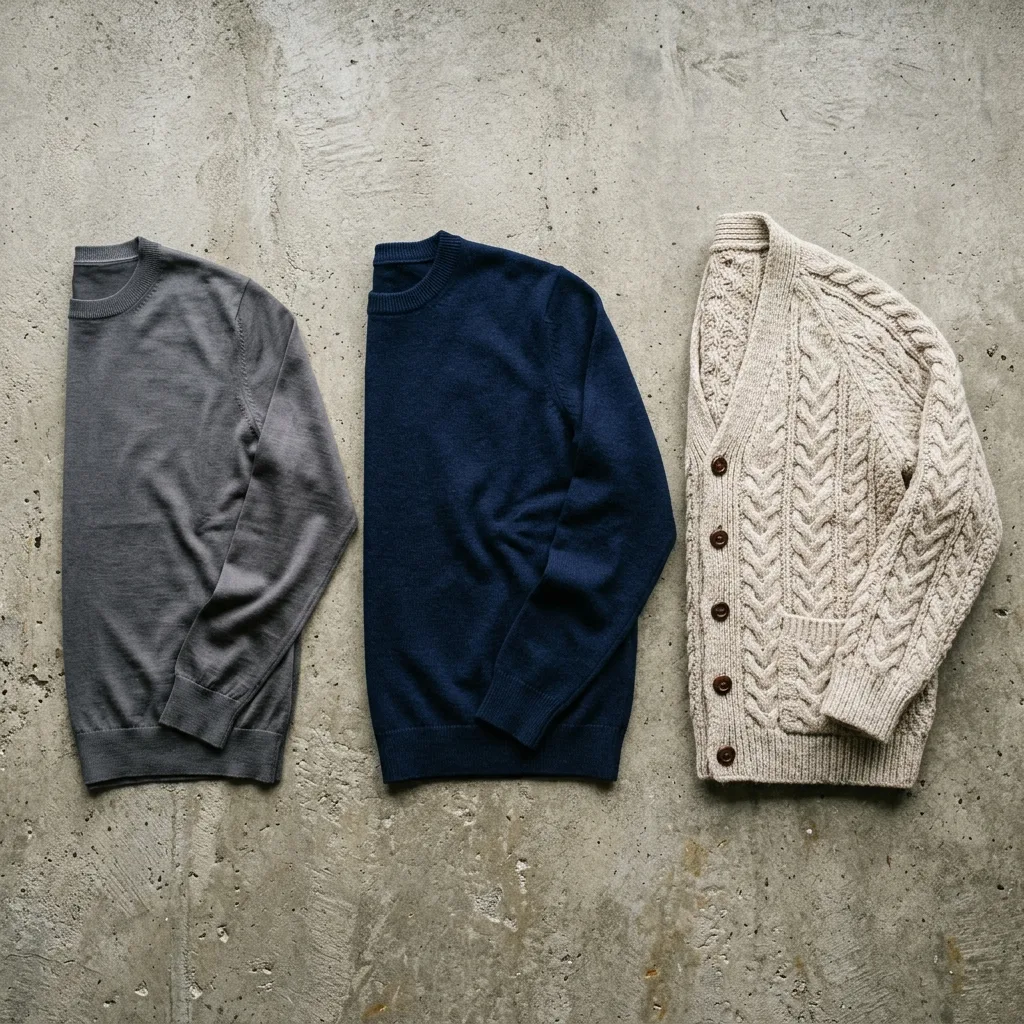
Help customers choose between styles, weights, or collections. The agent generates comparison modules that clarify differences without overwhelming the page.

Provide washing instructions, storage tips, and durability highlights. Positioning care as longevity reinforces quality and justifies price.

Preempt common questions about sizing, stretch, layering, or occasion. Structured Q&A modules keep shoppers engaged instead of bouncing to competitors.


Explain whether your denim runs slim, your knitwear drapes loose, or your blazers are cut for movement. Shoppers who understand fit buy with confidence.
Name the mills, certifications, or regions behind your materials. Specificity builds trust; vague claims don't.
If you claim eco-friendly practices, back them up: recycled fiber percentages, water savings, third-party certifications. A+ Content is where proof lives.
Frame care instructions as investment protection. "Machine wash cold, tumble dry low" becomes "Built to last—easy care keeps this piece in your rotation for years."
Structured attributes drive filter visibility. 24.online maps, fills, and syncs your apparel data across Amazon, Walmart, Shopify, and beyond—so every SKU surfaces where shoppers search.
In fashion e-commerce, your product data is the gatekeeper to discovery. Marketplaces rely on structured attributes—size, color, fabric, fit, pattern, sleeve length—to populate navigation menus, refine search filters, and rank results. Incomplete or misaligned attributes push your listings out of sight. 24.online analyzes attribute coverage across your entire catalog, identifies gaps by SKU and marketplace, and generates fixes you can apply in one click or automate at scale.
Fashion listings live or die by variant structure. A single style may span dozens of size-color combinations, and each marketplace handles parent-child relationships differently. Amazon groups variants under a single detail page; Walmart requires precise variant group IDs and attribute alignment; Shopify uses product options and variants with distinct inventory tracking. 24.online reads your existing variant architecture, flags orphaned children and mismatched parents, and restructures groups to meet each platform's specifications. The result: consolidated reviews, unified search visibility, and a seamless shopper experience across every channel.
Parent-Child Mapping
Detects broken variant relationships and rebuilds compliant group structures per marketplace rules.
Attribute Inheritance
Ensures shared attributes (brand, material, care instructions) propagate correctly from parent to all child SKUs.
Cross-Platform Normalization
Translates variant logic between Amazon's variation themes, Walmart's variant group IDs, and Shopify's option sets.
Variant Group Preview
Parent SKU
Women's Wrap Dress
WMN-DRS-001
WMN-DRS-001-BLK-S
WMN-DRS-001-BLK-M
WMN-DRS-001-RED-S
WMN-DRS-001-RED-M
Cross-Platform Attribute Mapping
Amazon
variation_theme
size_name
color_name

Walmart
variantGroupId
clothingSizeType
colorCategory
Walmart's Item Spec 5.0 raised the bar for product data quality—especially in apparel. The updated specification demands richer, more granular attributes: not just "size" but size type, size system, and inseam; not just "color" but color family and color map. These structured fields power Walmart's faceted navigation and determine whether your listings appear when shoppers filter by fit, length, or style. Missing a required attribute doesn't just lower your listing score—it can block your product from entire browse paths.
24.online ingests Walmart's current attribute taxonomy for fashion categories and compares it against your catalog in real time. The AI agent surfaces exactly which attributes are missing, incomplete, or non-compliant, then generates values based on your existing product data, images, and descriptions. You review and approve, or set guardrails and let the system fill gaps automatically.
Taxonomy-Aware Gap Detection
Scans your catalog against Walmart's required and recommended attribute sets for each apparel subcategory.
AI-Generated Attribute Values
Extracts missing data points (fabric composition, rise type, closure style) from titles, bullets, and product images.
Validation Before Publish
Checks generated values against Walmart's allowed enumerations to prevent rejection errors.
Continuous Compliance Monitoring
Alerts you when Walmart updates attribute requirements so your listings stay compliant as specs evolve.
For full attribute specifications, see Walmart's official Marketplace documentation on apparel listing requirements.
Expanding from Amazon to Walmart—or from Shopify to multiple marketplaces—isn't a copy-paste job. Each platform has distinct content guidelines, character limits, attribute schemas, and SEO dynamics. Blindly duplicating listings creates compliance failures, keyword cannibalization, and a diluted brand voice. 24.online approaches multi-marketplace listing sync as intelligent adaptation. When you migrate a fashion catalog to a new channel, the AI agent rewrites titles to match platform-specific conventions, adjusts bullet structure and length, remaps attributes to the target taxonomy, and regenerates keywords based on that marketplace's search behavior. The core product story stays consistent; the execution conforms to each platform's rules.
Platform-Native Titles
Restructures title format, keyword order, and character count to match Amazon, Walmart, or Shopify best practices.
Attribute Schema Translation
Maps your source attributes to each destination's required fields—no manual spreadsheet gymnastics.
Localized Keyword Strategy
Generates backend and frontend keywords tuned to each marketplace's search algorithm and shopper intent.
Brand Voice Consistency
Maintains your tone, terminology, and messaging hierarchy while respecting platform constraints.
| SKU | Amazon | Walmart | Shopify | |||||||||||||||
|---|---|---|---|---|---|---|---|---|---|---|---|---|---|---|---|---|---|---|
| Size | Color | Fabric | Fit | Pattern | Care | Size | Color | Fabric | Fit | Pattern | Care | Size | Color | Fabric | Fit | Pattern | Care | |
| WMN-DRS-001 | ||||||||||||||||||
| WMN-DRS-002 | ||||||||||||||||||
| MEN-JKT-010 | ||||||||||||||||||
| MEN-JKT-011 | ||||||||||||||||||
| KID-TOP-005 | ||||||||||||||||||
| UNI-DNM-003 | ||||||||||||||||||
| WMN-SKT-008 | ||||||||||||||||||
| MEN-PLO-004 | ||||||||||||||||||
Your catalog has attribute gaps that limit filter visibility. The AI agent identified the most common missing fields across your fashion SKUs. Tap below to generate compliant values for all affected listings.
The attribute matrix above displays completeness scores for every SKU in your catalog, broken down by marketplace and attribute category. Green cells indicate full compliance; yellow signals partial data; red flags missing required fields. Use the filters to isolate specific product types, brands, or channels. Click any cell to view the exact attributes that need attention and generate AI-powered fixes instantly.
Shoppers no longer just search—they ask. AI-powered assistants on Google, Amazon, and other platforms now read product content, extract facts, and serve direct answers. If your fashion listings aren't structured to be quoted, they won't be recommended. This is Answer Engine Optimization (AEO): formatting your content so AI systems can pull it as a ready response.
AEO is the practice of writing product content that AI assistants—Google AI Overviews, Amazon Rufus, ChatGPT-powered shopping tools—can extract and present as a direct answer. Unlike traditional SEO, which focuses on ranking links, AEO focuses on being the answer. For fashion and apparel, this means structuring details about size, fit, fabric, and care so an AI can quote your listing verbatim when a shopper asks a question.
Traffic now flows through three channels: marketplace search, traditional search engines with AI features, and conversational shopping assistants embedded directly in retail apps. Amazon Rufus, for example, answers natural-language questions like "What's a good jacket for Seattle rain?" by pulling from product listings. If your content doesn't contain the answer in a quotable format, your product won't surface.
Amazon, Walmart, Etsy — keyword + AI-ranked results
Google extracts and displays answers directly in search
Amazon Rufus, ChatGPT Shopping — conversational product discovery
All roads lead to your product content
AI assistants scan for short, factual statements that directly address common shopper questions. Below are examples of how to structure your fashion listings so they can be extracted and cited.
"What fabric is this dress made of?"
95% organic cotton, 5% elastane. Lightweight, breathable, with natural stretch for all-day comfort.
"Will this jacket fit a size 12?"
Relaxed fit. Size M fits US 8–10; Size L fits US 12–14. Model is 5'9" wearing Size M.
"Is this sweater machine washable?"
Machine wash cold, gentle cycle. Lay flat to dry. Do not bleach or tumble dry.
"Is this coat warm enough for winter?"
Insulated with 650-fill down. Rated for temperatures down to 15°F (−9°C). Wind-resistant outer shell.
"What season is this linen shirt best for?"
Best for spring and summer. 100% linen wicks moisture and stays cool in heat up to 95°F.
Most fashion listings are written to persuade, not inform. Long sentences, marketing adjectives, and buried specifications make it difficult for AI to extract facts.
"This stunning must-have piece will transform your wardrobe."
"Slim fit. 98% cotton, 2% spandex. Fits true to size."
24.online analyzes your listings for answer-readiness and restructures them to be both shopper-friendly and machine-readable. The AI Writer generates concise, fact-based statements for size, fit, fabric, care, and seasonality—formatted so assistants like Amazon Rufus and Google AI Overviews can extract they directly. You get content that ranks in traditional search, converts on product pages, and surfaces in AI-powered recommendations.
The brands that win the next wave of e-commerce traffic are the ones whose content AI can quote.
24.online makes your fashion listings the answer.
24.online sits between your marketplace accounts, your product data systems, and the AI models that optimize your listings. Every connection uses official seller APIs with OAuth authorization. We never store your marketplace passwords—only secure access tokens that you can revoke at any time.
Fashion brands run complex operations across multiple sales channels, each with its own data formats, attribute requirements, and content rules. 24.online integrates at the API level so your catalog stays synchronized without manual exports, copy-paste workflows, or risky browser extensions. You authorize access once, and the AI agent reads your listings, analyzes performance data, and writes optimized content back—all through the same endpoints your own dev team would use.

Amazon Seller Central & Vendor Central
Product catalog, listing content (titles, bullets, descriptions, A+ modules), sales and conversion metrics, reviews and ratings, advertising campaigns, inventory levels, competitor pricing.
Updated titles, bullet points, descriptions, backend keywords, A+ Content blocks, images, video. Advertising bid and budget adjustments. Price changes within your defined rules.
Amazon SP-API and Advertising API via OAuth. LWA (Login with Amazon) authorization flow. No credentials stored.

Walmart Marketplace
Item catalog, Item Spec 5.0 attributes, content quality scores, sales data, reviews, Buy Box status, inventory feeds.
Optimized product names, shelf and short descriptions, key features, rich media modules, attribute values compliant with Walmart Item Spec 5.0 requirements.
Walmart Marketplace API via OAuth 2.0 client credentials. Token-based access only.

Shopify & Shopify Plus
Product and variant data, collection structure, metafields, media assets, order and sales analytics, inventory across locations.
Product titles, descriptions, variant attributes, SEO metadata, images, and structured data via metafields.
Shopify Admin API via OAuth. App installation grants scoped permissions you control.

Etsy Seller Account
Listing content, tags, attributes, shop sections, reviews, sales and traffic data, inventory quantities.
Titles, descriptions, tags, attributes, images optimized for Etsy's search algorithm and handmade/vintage audience expectations.
Etsy Open API v3 via OAuth 2.0. Granular permission scopes.

eBay Seller Hub
Listings, item specifics, catalog data, sales history, seller performance metrics, inventory.
Titles, descriptions, item specifics, images, and structured product data aligned with eBay's catalog requirements.
eBay RESTful APIs via OAuth. Application and user tokens with defined scopes.
Many fashion brands manage product data in a dedicated PIM or DAM before syndicating to marketplaces. 24.online is designed to coexist with your existing product information management system as the single source of truth. The AI agent can pull base content and assets from your PIM, then optimize and adapt that content for each channel's specific requirements—without overwriting your master data. This lets your product team maintain control over core attributes, imagery, and brand guidelines while 24.online handles the channel-specific optimization layer.
24.online generates its own listing quality scores, competitor insights, and performance analytics. For teams that consolidate reporting in external BI tools or want to feed optimization data into existing dashboards, we offer structured data exports and—for qualifying accounts—direct API access to scores, recommendations, and change history.
Automate routine marketplace tasks and streamline your content lifecycle.
Every marketplace connection uses the platform's official seller API with OAuth or equivalent token-based authorization. When you connect an account, you authenticate directly with the marketplace—Amazon, Walmart, Shopify, Etsy, or eBay—and grant 24.online specific permissions. We receive only access tokens with defined scopes. We never see, transmit, or store your marketplace login credentials. You can revoke access at any time from your marketplace account settings or from the 24.online dashboard.
Large fashion brands and technology partners with custom integration requirements can access 24.online capabilities programmatically. Pull listing scores and optimization recommendations into your internal systems, trigger content generation jobs from your own workflows, or embed 24.online intelligence into proprietary tools. API and SDK availability details are provided during enterprise onboarding.
We're continuously expanding marketplace and system integrations based on customer needs. If your fashion commerce stack includes a platform not listed here, let us know—we'll tell you what's possible today and what's on the roadmap.
Request an IntegrationSet guardrails, choose how much autonomy to grant, and review every change in a searchable log. The AI agent works within boundaries you define—no surprises, no overreach.
The agent analyzes your catalog, drafts improvements, and presents recommendations. Nothing changes until you act.
The agent queues proposed edits for your review. One click to accept, reject, or revise before any update goes live.
The agent executes within your guardrails automatically. You stay informed through real-time logs and can pause or roll back at any time.
The change log records each action the agent takes: what changed, when, why, and the previous version. Filter by SKU, date, field, or action type. Share entries with your team or export for compliance audits.
Added fabric and occasion keywords to improve search visibility.
Competitor price dropped; new price stays within your $99–$139 guardrail.
Your guardrail requires approval before main image changes. Pending your review.
Think of the agent as a team member who follows your playbook. It proposes, explains its reasoning, and executes only what you've authorized. Autopilot guardrails for marketplace listings let you scale without losing oversight—and the approval workflow ensures nothing slips through unchecked.
Your AI Seller that upgrades your listings, boosts conversion, and drives real marketplace growth. Every AI operation runs on credits — a transparent unit of cost. You always know what you're spending and why.
100 refresh credits daily
1,900 credits + 900 extra *
3,900 credits + 1,900 extra *
14,900 credits + 9,900 extra *
Trusted by leading brands
Even on the Free plan, your 100-credit daily refresh lets you continuously improve a rotating selection of listings without waiting for a monthly reset. Paid plans stack additional credits on top, so high-volume catalogs never hit a wall mid-campaign.
Titles, bullets, descriptions, keyword sets, and backend attributes optimized for fashion search terms and shopper intent.
Background removal, quality enhancement, infographics, lifestyle scenes, and short-form product videos.
Listing quality audits, review sentiment extraction, and competitor benchmarking across your apparel category.
Agent-driven optimization runs, A/B experiments, and automated sync to Amazon, Walmart, Shopify, and more.
How these tiers translate to real work depends on your catalog size and pace. A small brand with around 50 SKUs can comfortably run weekly content refreshes, image upgrades, and listing audits on the Basic plan. A mid-market seller managing 500 or more variants typically lands on Plus to keep pace with seasonal drops and marketplace compliance updates. Agencies juggling multiple client accounts often prefer a custom Enterprise arrangement, pooling credits where demand spikes and scaling seats as rosters grow.
Certain capabilities—such as advanced advertising automation and dynamic repricing—are available as add-on modules. Some modules are fully released; others remain in beta or are on our near-term roadmap. Each module page indicates its current status, so you'll always know exactly what's production-ready and what's still maturing.
Approximate credits needed:
250
Recommended: Free plan
All plans include access to core features. Upgrade anytime. No credit card required to start on Free.
Getting started with 24.online is designed around one goal: reaching measurable improvements as quickly as your catalog and workflow allow. No lengthy integrations. No waiting on IT projects. You connect your marketplace accounts via secure OAuth tokens, import your catalog, and the AI agent begins scoring and planning within hours—not weeks.
Authorize 24.online through each marketplace's official seller portal. We use standard OAuth tokens—no passwords stored, no elevated permissions required. Amazon, Walmart, Shopify, Etsy, and eBay integrations are pre-built and ready.
Your full product catalog syncs automatically. The AI agent runs an initial Listing Quality Score across every SKU—evaluating titles, bullets, descriptions, images, A+ content, and keyword coverage. You'll see exactly where each listing stands and what's dragging down performance.
Based on scoring results, the agent generates a structured work plan. This typically spans two to four weeks, depending on catalog size and complexity. The plan breaks down into actionable batches: which SKUs to optimize first, what content to rewrite, which images to enhance, and the expected impact on discoverability and conversion.
The agent produces draft content—titles, bullets, descriptions, keywords, enhanced images—for your first batch of SKUs. You review, edit if needed, and choose how to proceed: apply changes manually, approve each batch before publishing, or enable autopilot for hands-free execution within your defined guardrails.
Once changes go live, 24.online tracks performance shifts: impressions, click-through rates, conversions, and sales. You receive clear before-and-after reporting so you can see what's working, refine your approach, and expand optimization to additional SKUs or marketplaces.
Authorize 24.online through each marketplace's official seller portal. We use standard OAuth tokens—no passwords stored, no elevated permissions required. Amazon, Walmart, Shopify, Etsy, and eBay integrations are pre-built and ready.
Your full product catalog syncs automatically. The AI agent runs an initial Listing Quality Score across every SKU—evaluating titles, bullets, descriptions, images, A+ content, and keyword coverage. You'll see exactly where each listing stands and what's dragging down performance.
Based on scoring results, the agent generates a structured work plan. This typically spans two to four weeks, depending on catalog size and complexity. The plan breaks down into actionable batches: which SKUs to optimize first, what content to rewrite, which images to enhance, and the expected impact on discoverability and conversion.
The agent produces draft content—titles, bullets, descriptions, keywords, enhanced images—for your first batch of SKUs. You review, edit if needed, and choose how to proceed: apply changes manually, approve each batch before publishing, or enable autopilot for hands-free execution within your defined guardrails.
Once changes go live, 24.online tracks performance shifts: impressions, click-through rates, conversions, and sales. You receive clear before-and-after reporting so you can see what's working, refine your approach, and expand optimization to additional SKUs or marketplaces.
How fast you move through these steps depends on your catalog size and preferred control level. A single-brand pilot with 50 SKUs can reach the measurement phase within days. Enterprise catalogs with thousands of SKUs and manual approval workflows will take longer—but the agent handles the heavy lifting either way.
24.online supports multi-account workflows out of the box. Onboard multiple client accounts under one dashboard, maintain consistent brand voice across each, and export deliverables—optimized content, images, reports—in formats ready for client review or direct marketplace publishing. Your team scales without multiplying manual effort.
You don't have to onboard your entire catalog on day one. Begin with a single brand, one product category, or a single marketplace. Run the optimization cycle, see the results, and expand from there. This approach builds confidence internally, proves ROI to stakeholders, and lets you set guardrails before scaling.
Connect your first marketplace account and receive your Listing Quality Score—no commitment required.
Yes. The system processes variant groups as unified product families, so a single parent SKU with 200 color-size combinations is optimized in one task rather than 200 separate jobs. You define which attributes (color names, size labels, fabric descriptions) should stay consistent across variants and which should differ. Most fashion catalogs with 5,000–50,000 variants complete initial optimization within 5–10 business days depending on your plan's parallel task limits.
During onboarding, you provide brand guidelines, tone samples, and a list of restricted or required terms. The AI agent stores these as guardrails applied to every content generation task. Before anything is finalized, you can review sample outputs and adjust the voice profile. If your brand uses specific terminology (e.g., "relaxed fit" instead of "loose fit"), those rules persist across all future optimizations automatically.
Absolutely. By default, 24.online operates in manual-approval mode: every generated title, bullet, image, or price change appears as a draft in your task panel. You review, edit if needed, and click "Apply" to push changes via the marketplace API. Only if you explicitly enable autopilot—and define its boundaries—will the system apply changes without confirmation.
Autopilot only acts within rules you set: price floors and ceilings, approved keyword lists, character-count limits, and image-style constraints. Any change outside those boundaries is flagged for manual review. The system logs every action with timestamps, before/after snapshots, and the rule that permitted it—so your team can audit decisions at any time.
The Review Insights module extracts recurring complaints and compliments about sizing ("runs small," "true to size," "order one size up"). These insights feed directly into bullet and description rewrites—adding callouts like "Relaxed fit; if between sizes, size down" where relevant. The goal is to set accurate expectations before purchase, reducing return rates tied to fit confusion.
The AI can draft size-chart copy and measurement tables based on your product data and category norms, but you must supply accurate garment measurements. The system will not fabricate dimensions. Once measurements are confirmed, the generated charts can be formatted for A+ Content modules, product descriptions, or standalone images.
Yes. 24.online maps your catalog attributes to Walmart's Item Spec 5.0 schema, flags missing or non-compliant fields, and generates compliant content for required attributes like brand, color, size, fabric content, and care instructions. The Multi-Marketplace Sync feature ensures that when you update a listing for Amazon, the Walmart version is adjusted to meet Spec 5.0 formatting rules—not just copied verbatim.
Content is adapted, not duplicated. Each marketplace has different character limits, attribute requirements, and search-ranking factors. The AI rewrites titles and bullets to fit each platform's constraints while preserving your brand voice and core product messaging. For example, Amazon bullet points may emphasize keywords, while Etsy descriptions lean into storytelling and handmade appeal.
Only official seller APIs. 24.online connects via OAuth or token-based authorization provided by Amazon Seller Central, Walmart Seller Center, Etsy, Shopify, and eBay. We never store your marketplace login credentials—just secure access tokens with scoped permissions you control. This approach ensures compliance with each platform's terms of service and keeps your account in good standing.
The platform supports REST and GraphQL APIs for bi-directional data sync. If your PIM is the source of truth for product attributes and your DAM stores master images, 24.online can pull that data, optimize it, and either push updates back or send final assets to marketplaces directly. Custom connector work may be required for less common systems; discuss specifics during onboarding.
The Creative Studio handles background removal, resolution upscaling, lifestyle/context image generation, infographic overlays (fabric icons, size callouts), and scale-reference compositions. You can request flat-lay styling, on-model mockups, or environment shots. Video generation is available as an add-on module. All outputs are reviewed before publishing unless you enable autopilot with visual-style guardrails.
Each marketplace enforces rules on background color, minimum resolution, text overlay limits, and aspect ratios. The system validates every image against these requirements before marking it ready for upload. If an image fails (e.g., too much text for Amazon main image), you receive a specific error explaining what to fix or can request a regeneration that meets the spec.
Yes. The AI drafts A+ Content layouts—comparison charts, lifestyle image-and-text modules, brand story narratives—following Amazon's module constraints. You supply hero images and approve final copy. The system can suggest which modules work best for apparel (e.g., size-fit comparison tables, fabric close-ups) based on your category and competitor benchmarks.
Every change is logged with timestamps and before/after snapshots. If conversion rate or sales decline after an update, you can revert to the previous version in one click. The system also monitors performance metrics post-change and alerts you if a statistically significant drop occurs within your defined thresholds—so you catch issues before they compound.
Timeline depends on catalog size, variant complexity, and your subscription tier's parallel-task allowance. A 1,000-SKU catalog with moderate variant counts typically completes initial text and image optimization in 3–7 business days on mid-tier plans. Larger catalogs (10,000+ SKUs) may take 2–4 weeks. Rush processing is available on higher tiers with additional credits.
Credits are consumed per AI operation—text generation, image enhancement, analysis tasks—not per SKU or variant. Optimizing a parent product with 50 variants costs roughly the same as 50 separate SKUs if each variant needs unique content, but less if variants share most attributes and only differ by color or size labels. Your dashboard shows real-time credit consumption and forecasts before you confirm any batch task.
Yes. You can run a free Listing Quality Audit on a sample of your catalog—no credit card required. The audit scores your titles, bullets, images, and attributes against marketplace best practices and competitor benchmarks. You'll receive a detailed report showing optimization opportunities before deciding whether to subscribe.
Traditional SEO targets keyword matching in marketplace search. AI shopping assistants parse natural-language queries and surface products based on semantic relevance and structured data clarity. The AI agent optimizes your listings for both: keyword coverage for conventional search and clear, attribute-rich descriptions that AI assistants can parse accurately. This dual approach is sometimes called AEO (Answer Engine Optimization) or GEO (Generative Engine Optimization).
Yes. The system processes variant groups as unified product families, so a single parent SKU with 200 color-size combinations is optimized in one task rather than 200 separate jobs. You define which attributes (color names, size labels, fabric descriptions) should stay consistent across variants and which should differ. Most fashion catalogs with 5,000–50,000 variants complete initial optimization within 5–10 business days depending on your plan's parallel task limits.
During onboarding, you provide brand guidelines, tone samples, and a list of restricted or required terms. The AI agent stores these as guardrails applied to every content generation task. Before anything is finalized, you can review sample outputs and adjust the voice profile. If your brand uses specific terminology (e.g., "relaxed fit" instead of "loose fit"), those rules persist across all future optimizations automatically.
Absolutely. By default, 24.online operates in manual-approval mode: every generated title, bullet, image, or price change appears as a draft in your task panel. You review, edit if needed, and click "Apply" to push changes via the marketplace API. Only if you explicitly enable autopilot—and define its boundaries—will the system apply changes without confirmation.
Autopilot only acts within rules you set: price floors and ceilings, approved keyword lists, character-count limits, and image-style constraints. Any change outside those boundaries is flagged for manual review. The system logs every action with timestamps, before/after snapshots, and the rule that permitted it—so your team can audit decisions at any time.
The Review Insights module extracts recurring complaints and compliments about sizing ("runs small," "true to size," "order one size up"). These insights feed directly into bullet and description rewrites—adding callouts like "Relaxed fit; if between sizes, size down" where relevant. The goal is to set accurate expectations before purchase, reducing return rates tied to fit confusion.
The AI can draft size-chart copy and measurement tables based on your product data and category norms, but you must supply accurate garment measurements. The system will not fabricate dimensions. Once measurements are confirmed, the generated charts can be formatted for A+ Content modules, product descriptions, or standalone images.
Yes. 24.online maps your catalog attributes to Walmart's Item Spec 5.0 schema, flags missing or non-compliant fields, and generates compliant content for required attributes like brand, color, size, fabric content, and care instructions. The Multi-Marketplace Sync feature ensures that when you update a listing for Amazon, the Walmart version is adjusted to meet Spec 5.0 formatting rules—not just copied verbatim.
Content is adapted, not duplicated. Each marketplace has different character limits, attribute requirements, and search-ranking factors. The AI rewrites titles and bullets to fit each platform's constraints while preserving your brand voice and core product messaging. For example, Amazon bullet points may emphasize keywords, while Etsy descriptions lean into storytelling and handmade appeal.
Only official seller APIs. 24.online connects via OAuth or token-based authorization provided by Amazon Seller Central, Walmart Seller Center, Etsy, Shopify, and eBay. We never store your marketplace login credentials—just secure access tokens with scoped permissions you control. This approach ensures compliance with each platform's terms of service and keeps your account in good standing.
The platform supports REST and GraphQL APIs for bi-directional data sync. If your PIM is the source of truth for product attributes and your DAM stores master images, 24.online can pull that data, optimize it, and either push updates back or send final assets to marketplaces directly. Custom connector work may be required for less common systems; discuss specifics during onboarding.
The Creative Studio handles background removal, resolution upscaling, lifestyle/context image generation, infographic overlays (fabric icons, size callouts), and scale-reference compositions. You can request flat-lay styling, on-model mockups, or environment shots. Video generation is available as an add-on module. All outputs are reviewed before publishing unless you enable autopilot with visual-style guardrails.
Each marketplace enforces rules on background color, minimum resolution, text overlay limits, and aspect ratios. The system validates every image against these requirements before marking it ready for upload. If an image fails (e.g., too much text for Amazon main image), you receive a specific error explaining what to fix or can request a regeneration that meets the spec.
Yes. The AI drafts A+ Content layouts—comparison charts, lifestyle image-and-text modules, brand story narratives—following Amazon's module constraints. You supply hero images and approve final copy. The system can suggest which modules work best for apparel (e.g., size-fit comparison tables, fabric close-ups) based on your category and competitor benchmarks.
Every change is logged with timestamps and before/after snapshots. If conversion rate or sales decline after an update, you can revert to the previous version in one click. The system also monitors performance metrics post-change and alerts you if a statistically significant drop occurs within your defined thresholds—so you catch issues before they compound.
Timeline depends on catalog size, variant complexity, and your subscription tier's parallel-task allowance. A 1,000-SKU catalog with moderate variant counts typically completes initial text and image optimization in 3–7 business days on mid-tier plans. Larger catalogs (10,000+ SKUs) may take 2–4 weeks. Rush processing is available on higher tiers with additional credits.
Credits are consumed per AI operation—text generation, image enhancement, analysis tasks—not per SKU or variant. Optimizing a parent product with 50 variants costs roughly the same as 50 separate SKUs if each variant needs unique content, but less if variants share most attributes and only differ by color or size labels. Your dashboard shows real-time credit consumption and forecasts before you confirm any batch task.
Yes. You can run a free Listing Quality Audit on a sample of your catalog—no credit card required. The audit scores your titles, bullets, images, and attributes against marketplace best practices and competitor benchmarks. You'll receive a detailed report showing optimization opportunities before deciding whether to subscribe.
Traditional SEO targets keyword matching in marketplace search. AI shopping assistants parse natural-language queries and surface products based on semantic relevance and structured data clarity. The AI agent optimizes your listings for both: keyword coverage for conventional search and clear, attribute-rich descriptions that AI assistants can parse accurately. This dual approach is sometimes called AEO (Answer Engine Optimization) or GEO (Generative Engine Optimization).
No questions match your search or filter.
Chat with your AI Seller to get a full listing audit, an optimization plan, and ready-to-publish drafts—then approve each change or set guardrails and let autopilot handle the rest.
Optimize consumer electronics listings on Amazon, Walmart, and Shopify. Our AI agent audits your catalog, generates content, and applies changes instantly.
Reduce footwear returns, grow GMV, and automate listings on Amazon, Walmart, and Shopify. Scale your shoe brand without adding headcount using our AI Seller.
Scale FMCG digital shelf sales with a secure AI teammate. Audit listings, optimize CPG content at scale, and sync changes across Amazon, Walmart & Shopify.
Scale your beauty brand on Amazon, Walmart, and Shopify with our AI Seller. Optimize your listings, ads, and pricing to boost sales and save 20+ hours weekly.
Scale your sports & outdoors brand on Amazon, Walmart, and Shopify. Our AI seller audits spec-heavy gear, optimizes content, and boosts your quality scores.
Automate DIY tools & home improvement listings with an AI seller. Optimize Amazon SEO, fix missing product attributes, and sync channels. Get a free audit now!